 blog
blog
Choosing a Septic Installation Contractor: 7 Key Criteria
Table of Contents
- Why Selecting the Right Septic Installation Contractor Matters
- Verify Licenses, Qualifications, and Certifications
- Assess Local Experience and Knowledge of Site Conditions
- Questions to Ask Septic Contractors Before Hiring
- Understand Septic System Permitting Process Requirements
- Check References, Reviews, and Insurance Coverage
- Compare Written Bids and Red Flags to Avoid
- Warranties, Post-Installation Support, and Documentation
- Frequently Asked Questions
Last Updated: October 5, 2026
Why Selecting the Right Septic Installation Contractor Matters
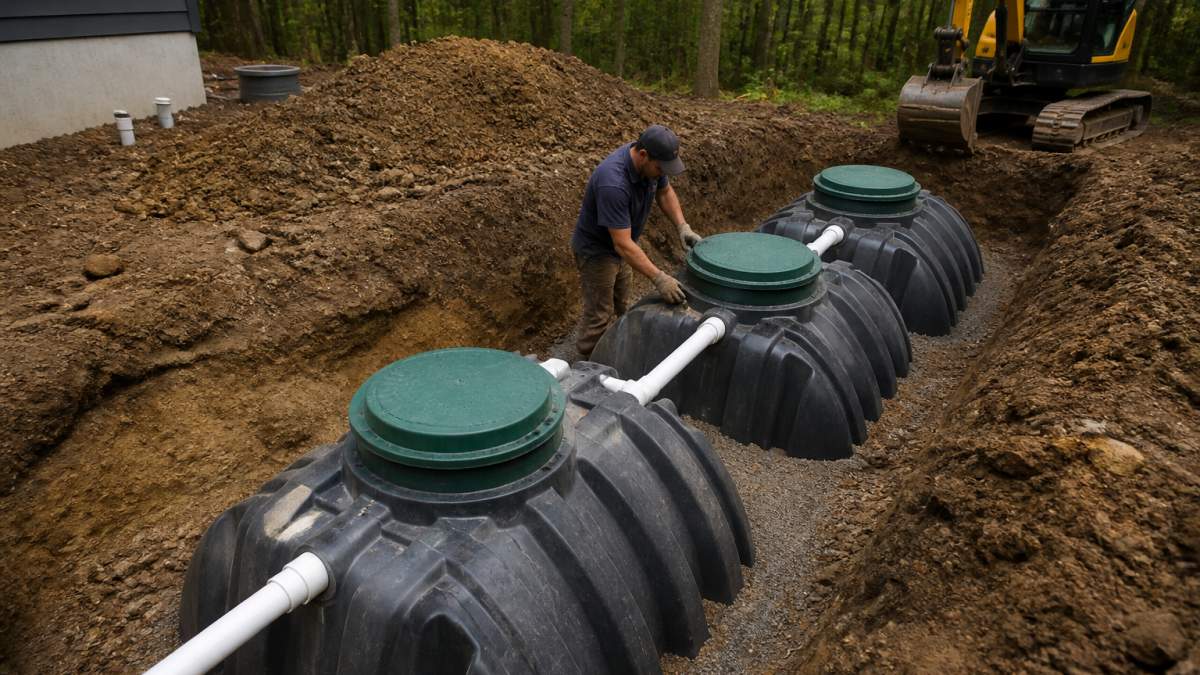
Choosing a septic installation contractor is one of the most important decisions you'll make as a property owner. A poorly installed system can cost tens of thousands of dollars to fix. It can also damage your property and the environment. They understand your site's unique conditions and navigate the permitting process smoothly.
This guide walks you through seven key criteria for evaluating a septic installation contractor. You'll learn what credentials matter, what questions to ask, and what red flags to watch for. By the end, you'll have a framework for making a confident choice.
Verify Licenses, Qualifications, and Certifications
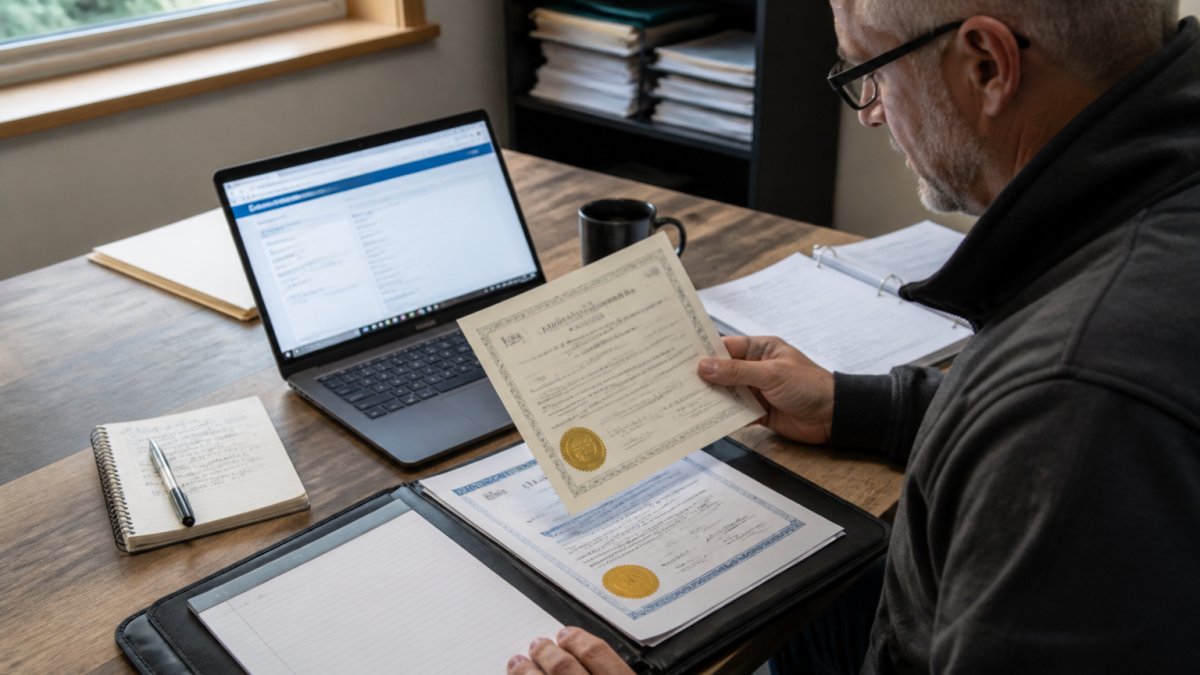
The first step is confirming that your contractor holds the proper credentials. A licensed septic installation contractor has met specific training and competency standards.
What credentials to look for
Look for contractors who hold a valid trades license or professional designation in your province. In British Columbia, septic system professionals may hold certifications through organizations that recognize qualified installers. Ask specifically about:
- Current trades license or contractor license
- Septic system installation certification
- Professional engineer stamp (if they're designing the system)
Don't accept vague answers. A reputable contractor can show you documents. They can tell you exactly which body issued their credential and when it expires.
How to confirm registration and standing
Verify credentials directly with the issuing authority. Don't rely on what the contractor tells you. Contact the provincial regulatory body or professional association. Confirm:
- License is current and in good standing
- No complaints or disciplinary actions on record
- Scope of work the license covers (installation, design, inspection)
Ask for proof of insurance as well. Liability coverage protects you if something goes wrong during installation.
Assess Local Experience and Knowledge of Site Conditions
A septic system isn't generic. Soil type, water table depth, slope, and proximity to water sources all affect system design and installation.
Ask how long the contractor has worked in your region. How many systems have they installed on properties similar to yours?
Local experience matters because regulations and best practices vary by jurisdiction. A contractor who's worked across multiple regions may not know the specific requirements for your area.
Ask about challenging projects. Has the contractor handled installations on sloped properties, in areas with high water tables, or near sensitive water sources?
Questions to Ask Septic Contractors Before Hiring
Before you hire anyone, have a detailed conversation. Ask specific questions about how they work.
Site assessment and design coordination
Ask how the contractor approaches site assessment. Do they work with a qualified soil evaluator?
Ask about timeline. How long does assessment take? When can design work begin? When would installation start?
Ask about documentation. Will you receive a site assessment report? A design plan?
Permitting, timelines, and cost transparency
Septic system installation requires permits and inspections.
Ask for a written estimate that breaks down costs. What's included? What costs extra?
Ask about timeline from start to finish. How long does the whole project take?
Understand Septic System Permitting Process Requirements
Septic system installation requires approval from local authorities. The permitting process varies by jurisdiction, but the basic steps are similar. Understanding what's required helps you evaluate whether your contractor knows what they're doing.
Most jurisdictions require:
- Site assessment by a qualified professional
- System design by a professional engineer (for new installations or major upgrades)
- Permit application with site plans and design drawings
- Inspection during installation
- Final inspection before the system can be used
Ask your contractor to explain the permitting sequence. They should be able to tell you which documents you need, who prepares them, and when each inspection happens. If they're vague about this, that's a warning sign.
Ask whether they've worked with your local permitting authority before. Do they know the inspectors? Do they understand that authority's specific requirements?
Check References, Reviews, and Insurance Coverage
Past work speaks louder than promises. Ask for references from recent projects. Contact those references and ask specific questions about their experience.
Requesting and verifying references
Ask for at least three references from septic installation projects completed in the last two years. Contact those references directly. Ask:
- Did the contractor show up on schedule?
- Did the final cost match the estimate?
- Were there any problems during or after installation?
- Would you hire them again?
- Did they provide complete documentation?
Online reviews matter too, but they're incomplete. A contractor with five-star reviews and one one-star review deserves investigation. Read the negative reviews.
Liability insurance and warranty documentation
Ask for a certificate of insurance showing liability coverage. The amount should be substantial enough to cover potential damage to your property or the environment.
Ask about warranty. What does the contractor guarantee? For how long? What's covered? A contractor who stands behind their work offers warranty documentation in writing.
Compare Written Bids and Red Flags to Avoid
Never hire based on price alone. Two bids can differ by thousands of dollars because one contractor itemized site assessment, design coordination, and permitting support while the other quietly excluded them.
Build an itemized bid-comparison sheet
Ask every contractor to submit a written, itemized bid. Then line them up against the same categories so nothing hides in a lump sum. A workable comparison sheet includes:
| Category | What to record for each bid |
|---|---|
| Scope of work | Excavation, tank setting, distribution field, connection to the building, backfill, grading, restoration |
| Exclusions | Permits, engineering, soil testing, rock removal, dewatering, landscaping, electrical hookups |
| Materials | Tank make/model and capacity, pipe and fittings, distribution box or chamber type, pump if required |
| Site work | Who handles soil evaluation, design drawings, and any required engineer's stamp |
| Permits and inspections | Who applies, who pays fees, who attends inspections |
| Timeline | Start date, milestones, expected completion, weather or inspection contingencies |
| Payment schedule | Deposit amount, progress payments, holdback, final payment trigger |
| Warranty | Workmanship term, equipment term, what voids coverage |
| Change orders | How extra work is priced and approved in writing before it proceeds |
| Cleanup and handover | Site restoration, as-built drawings, operating instructions, maintenance records |
When the bids sit side by side, the cheapest one often reveals itself as the one that excluded permitting, engineering, or restoration.
Read the exclusions as carefully as the inclusions
A common pattern is a bid that looks complete until you notice it excludes rock excavation, high-water-table dewatering, or the engineer's design fee.
Warning signs of contractor fraud or inexperience
Watch for these red flags:
- Bid significantly lower than the others, with no explanation of what was left out
- Pressure to skip permits or start work before approval
- Reluctance to provide references, insurance documents, or a written estimate
- Verbal quotes only, verbal terms are difficult to enforce
- Large upfront payment requested before any work begins
- Vague answers about timeline, inspections, or who handles design
- No discussion of your site's soil, water table, or slope
- Unwillingness to put change-order pricing in writing
A contractor who avoids documentation is avoiding accountability. They may cut corners, skip inspections, or disappear when problems surface.
A note on payment structure
Warranties, Post-Installation Support, and Documentation
The work doesn't end when installation is complete. You need clear documentation, a written warranty, and a defined path for support if something goes wrong.
Workmanship warranty versus equipment warranty
These are two separate things, and a good contractor explains both:
- Workmanship warranty covers the installation itself, excavation, tank setting, pipe connections, distribution field construction, backfill, and grading. If the system settles, a connection leaks, or the field is installed incorrectly, this is the warranty that applies. Terms commonly range from one to five years, and some contractors extend coverage if you follow a maintenance schedule.
- Equipment warranty covers the manufactured components, the tank, pumps, chambers, and fittings. These are typically provided by the manufacturer and can run longer than the workmanship term, but they usually require proper installation and maintenance to stay valid.
Ask for both in writing. Confirm what voids coverage, for example, failing to pump the tank on schedule, unauthorized modifications, or damage from vehicles driving over the field.
Who handles what after handover
Clarify the division of responsibility before you sign:
- Inspections: The contractor should attend required inspections during installation and the final inspection before the system is put into use. Confirm who schedules them and who pays any re-inspection fees if something fails.
- Repairs: Ask who you call if a problem appears in the first year. Will the contractor return at no charge for warranty issues? Is there a service call fee for non-warranty work?
- Maintenance: Routine pumping and inspection are the property owner's responsibility. Ask the contractor for a recommended maintenance schedule and whether they offer ongoing service or can refer you to a qualified provider.
Documentation you should receive at completion
Do not accept a verbal handover. Request a complete package, ideally before final payment:
- Site assessment report
- System design plans, including any engineer's drawings
- Permit approval documents
- Inspection reports from each stage
- As-built drawings showing the exact location of the tank and distribution field
- Manufacturer warranty documents for the tank and any equipment
- Written workmanship warranty
- Operating instructions and a recommended maintenance schedule
- Records of any change orders approved during the project
This package proves the work was done properly. It is essential if you sell the property, need future repairs, or have to locate the system for excavation. A contractor who provides complete documentation takes pride in their work.
At Turtle Tanks Island Systems Inc., we understand that choosing a septic installation contractor requires careful evaluation. Our approach focuses on clear communication, transparent pricing, and complete documentation from start to finish. We coordinate site assessment, work with qualified design professionals, manage the permitting process, and provide thorough documentation upon completion. Every property is different, so we tailor our approach to your site's specific conditions. If you're ready to move forward with a septic installation project, contact us for a consultation to discuss your property's needs.
Frequently Asked Questions
What qualifications should a professional septic installer hold?
A qualified septic installation contractor should hold provincial or regional certification, proof of liability insurance, and demonstrated experience with septic system installations. Many regions require contractors to work under a professional engineer's design or to hold specific trade qualifications. Ask for proof of current insurance, references from completed projects, and confirmation that they understand local building codes and permitting requirements for your area.
How do I verify if a septic contractor is properly licensed and insured?
Request a copy of the contractor's liability insurance certificate and ask for the insurer's contact details to confirm coverage is active. Check whether they are registered with any professional or trade bodies in your region. Ask for their Building Code Identification Number if applicable, and verify any certifications they claim. A reputable contractor will provide this documentation without hesitation and encourage you to verify their credentials independently.
Should I get multiple quotes for a septic system installation?
Yes. Obtain written estimates from at least two or three qualified contractors. Compare not just the total cost but the scope of work, timeline, warranty terms, and what is included in the project. Unusually low bids may indicate the contractor is cutting corners or underestimating the work. Detailed written bids help you understand differences and make an informed choice based on value, not price alone.
What documentation should a septic contractor provide upon completion?
Request a final inspection report, as-built drawings showing the installed system's location and specifications, proof of all permits and inspections passed, warranty information, operation and maintenance guidelines, and an invoice itemizing all work completed. Complete documentation protects your property record, supports future resale, and ensures you understand how to maintain the system correctly.
Selecting the right septic installation contractor protects your property, your investment, and the environment. Take time to verify credentials, ask detailed questions, and compare bids carefully. A contractor who communicates clearly, provides complete documentation, and stands behind their work is worth the effort to find. Request an assessment from Turtle Tanks Island Systems Inc. today and let our team help you move your septic project forward with confidence.