 how-to
Septic System Replacement Cost on Vancouver Island: What to Expect
Table of Contents
- What Drives Septic System Replacement Cost on Vancouver Island
- How to Get an Accurate Septic System Replacement Estimate
- Septic Drain Field Replacement Cost: The Variable Homeowners Underestimate
- Septic System Lifespan: When Replacement Makes More Sense Than Repair
- The BC Filing Process and Why It Affects Your Project
- Your Septic Replacement Quote Checklist
- Frequently Asked Questions
Last Updated: October 11, 2026
What Drives Septic System Replacement Cost on Vancouver Island
Septic system replacement cost on Vancouver Island depends on the site, the system type, and the scope of work, not on a single flat rate. Two properties on the same road can carry very different price tags because the ground, the water table, and the layout of each lot are never identical.
This guide from Turtle Tanks Island Systems covers what actually moves the number. The goal is simple: help homeowners understand why a septic replacement cost estimate looks the way it does, and how to compare quotes without getting caught off guard.
Why Two Neighbours Can Get Very Different Quotes
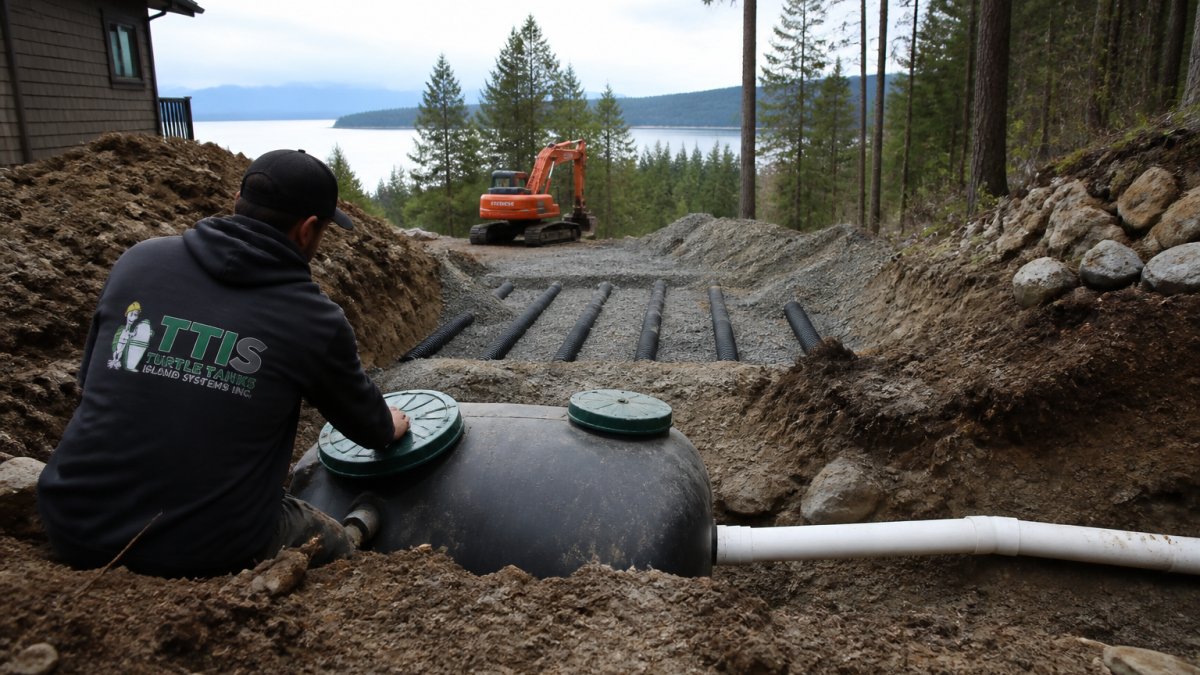
The biggest driver is site access. A lot with a clear driveway and open ground is a different job than a sloped property hemmed in by mature trees. When an excavator cannot reach the tank or the dispersal area directly, work slows down, equipment time climbs, and material handling becomes manual.
Other factors that shift a septic replacement cost estimate:
- Soil and groundwater conditions. Clay, rock, and a high water table can change how a system is planned and built. Difficult ground can require different excavation methods or a different system configuration, and the design prepared by the Authorized Person reflects that.
- System type. A Type 1 system and a more advanced treatment system are not priced the same. The choice depends on the site, the lot size, and with “the site conditions, system design and applicable BC requirements.
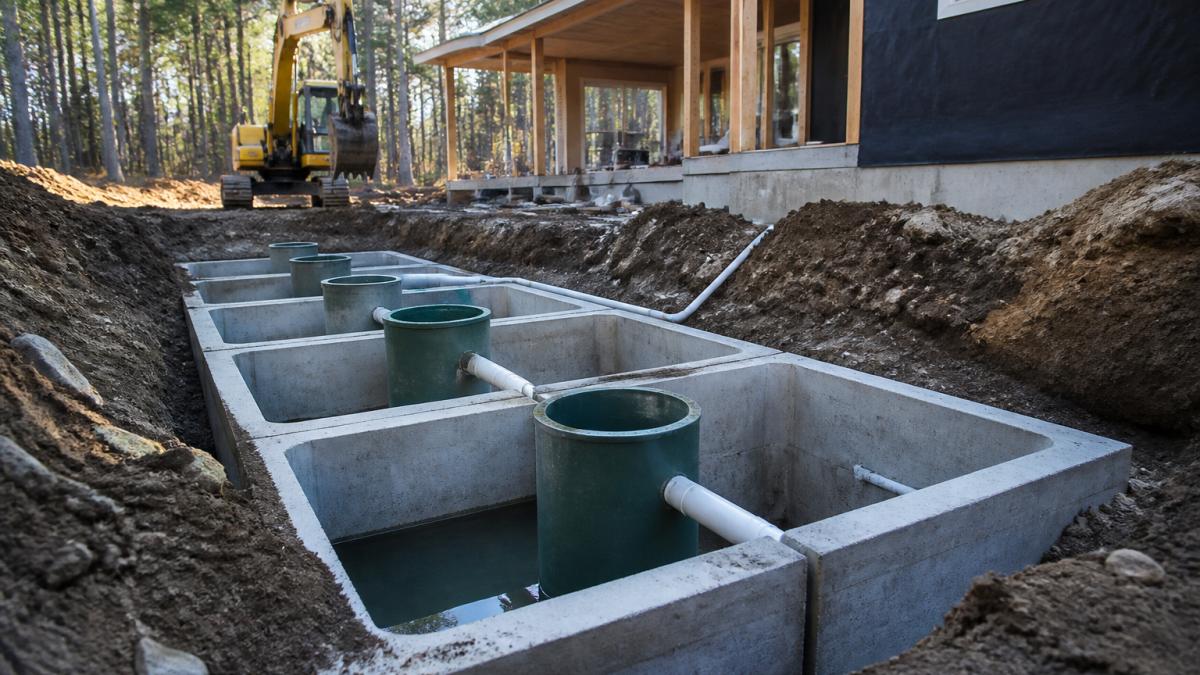
- Tank size and field size. These follow the design, which follows the site. A larger household or a lot with limited suitable ground can push the design in a different direction.
- Excavation and tree removal. Hard-to-reach areas add labour and equipment time. Rock, root systems, and buried utilities all slow the dig.
- Landscaping restoration. Rebuilding a lawn, garden, or driveway after excavation is part of the budget and is easy to overlook when comparing quotes.
- Disposal of old materials. Removing and handling a failed system adds cost, and disposal options vary by location and material.
Because these vary by property, a quote from one lot tells you little about another.
How Site Conditions Change the Scope Across the Island
Site conditions vary across Vancouver Island. Properties in the Cowichan Valley, near Qualicum Beach or Parksville, and outside Campbell River or the Comox Valley may have different soil, slope and groundwater conditions. Near Ucluelet or Tofino, the property’s location and layout may also affect what needs to be considered in the assessment.
The practical takeaway is that the same system type can carry a different scope from one property to the next. The design prepared by the Authorized Person is what translates those site conditions into a workable plan, and that plan is what a quote should be built on.
How to Get an Accurate Septic System Replacement Estimate
A site-specific estimate may require more than a phone call. The property, existing system and proposed work may need to be reviewed before a detailed estimate can be prepared.
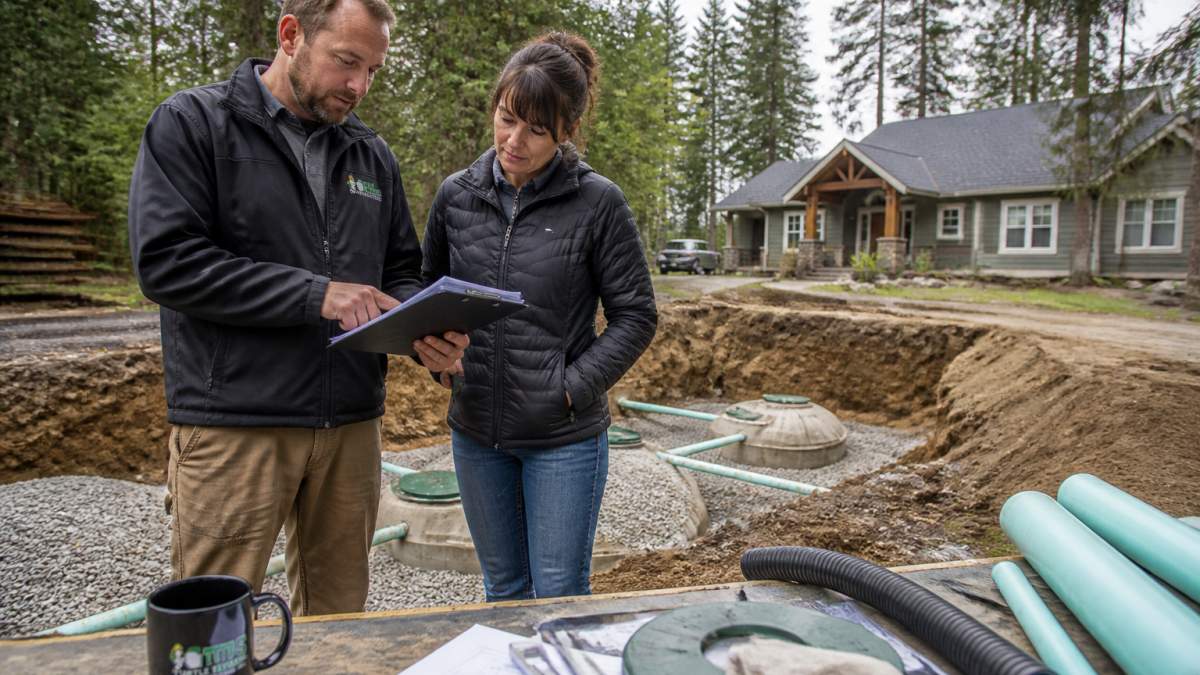
TTIS coordinates site investigations with the appropriate professionals. The findings help clarify the design and scope of work for the property. Learn more about our site assessment and planning service.
What a Site Investigation Actually Looks At
A site investigation reviews the property, not just the tank. It looks at:
- Where the existing system sits and how it is performing
- Ground conditions, including soil and the depth to groundwater
- The slope and drainage across the lot
- Access for excavation equipment
- Space available for a replacement tank and dispersal area
- Proximity to wells, watercourses, and structures
These findings feed into system design and planning, which is coordinated with the appropriate qualified professionals. The design and planning service turns those findings into a plan that suits the site.
Septic Drain Field Replacement Cost: The Variable Homeowners Underestimate
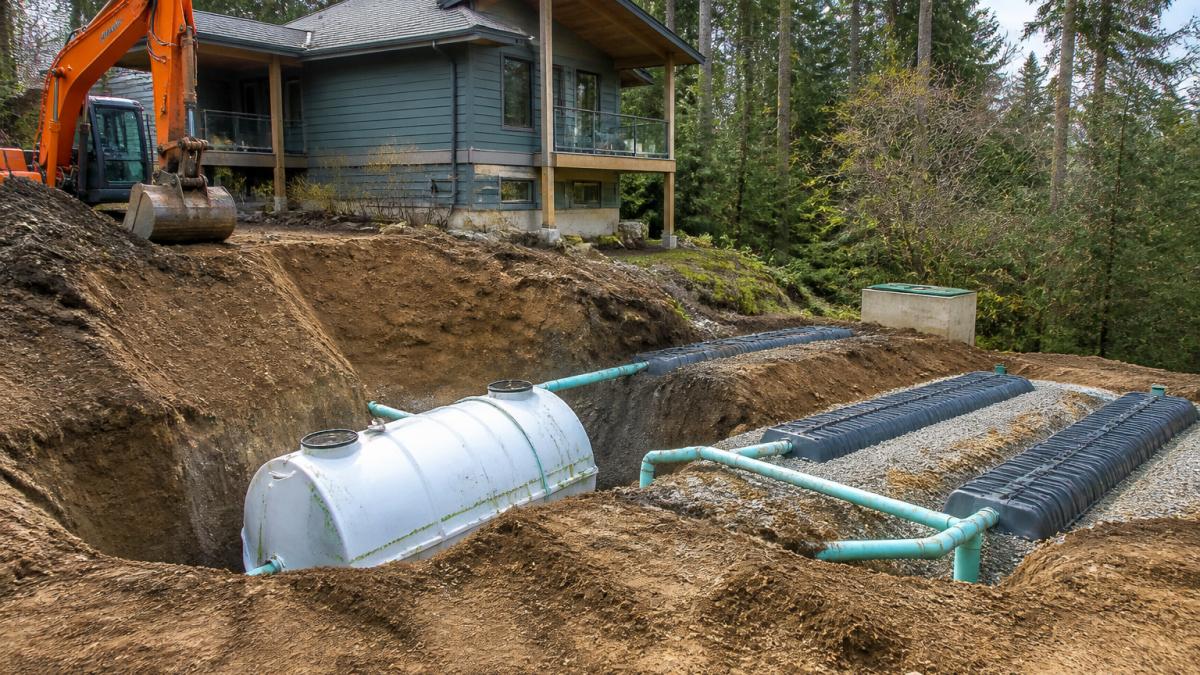
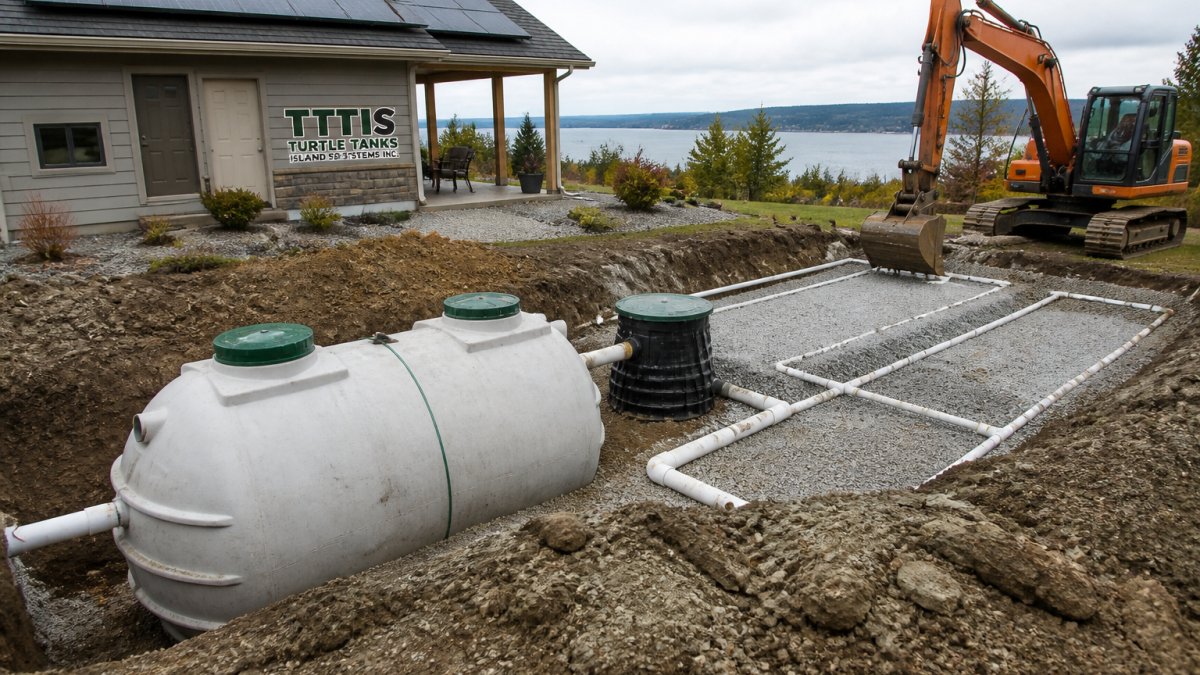
Septic drain field replacement cost can surprise homeowners because the dispersal area is out of sight. The tank is only one part of an onsite sewage system, and work on the dispersal area can be a significant part of the project cost.
A problem in the dispersal area may occur even when the tank appears to be in good condition. Slow drains, wet ground over the area or recurring backups may point to a problem, but they don’t confirm the cause.
Whether the area needs repair or replacement depends on the site assessment. Soil, groundwater and the system design all matter. The appropriate approach is determined for the property by the Authorized Person.
:::warning Don’t approve replacement based on one symptom. A backup could have several causes. Having the problem assessed first can help identify what work is needed. :::
Septic System Lifespan: When Replacement Makes More Sense Than Repair
Septic system lifespan varies with use, maintenance, and site conditions. There is no fixed expiry date, but a pattern of repeat problems is a strong signal to plan ahead.
Repair usually makes sense for a single, clear fault. Replacement tends to make more sense when problems keep coming back. Consider these signs:
- The system backs up repeatedly after pumping
- The drain field shows ongoing saturation
- Repairs are adding up over a short period
- The home has added bedrooms or fixtures the system was not planned for
- The system no longer fits how the property is used
A renovation or added bedroom can push a system past what it was designed to handle. In that case, an upgrade may be the practical path. The upgrade service covers that kind of change.
The honest answer to repair or replace depends on the property. A site assessment gives the evidence to decide, rather than a guess.
The BC Filing Process and Why It Affects Your Project
In British Columbia, onsite sewage systems are covered by the Sewerage System Regulation. An Authorized Person may be a Registered Onsite Wastewater Practitioner (ROWP) or another professional who meets the regulation’s requirements. These roles are defined in the regulation. www.bclaws.gov.bc.ca
For systems covered by section 8, the Authorized Person files the required information with the health authority before construction begins. Within 30 days after construction is complete, the Authorized Person files the Letter of Certification and provides the owner with the required documents. This filing process is not health-authority approval. See the Sewerage System Regulation, sections 8 and 9.
This timing matters when planning the project. TTIS coordinates with the Authorized Person as the work moves from assessment and design to construction and closeout. The process may differ depending on the system and project, so discuss the details for your property with the Authorized Person.
Your Septic Replacement Quote Checklist
Use this checklist to compare quotes on equal terms. A septic replacement quote checklist keeps the comparison fair and exposes gaps before work starts. This section explains what a complete answer looks like and where quotes commonly leave things out.
What to Check | Why It Matters | What a Complete Answer Looks Like |
|---|---|---|
Scope of work | Confirms what is included, not just the total | A written description of the work, not a single figure |
Site investigation | Shows the estimate is based on your property | A note on what was reviewed and when |
Design responsibility | Names who prepares the design | The Authorized Person is identified, and their role is clear |
Filing coordination | Clarifies who handles the BC filing | The filing steps and who is responsible for each are stated |
Excavation and disposal | Confirms removal of old materials is covered | Old system removal and disposal are listed as line items |
Landscaping restoration | Sets expectations for site cleanup | The extent of restoration is described, not implied |
Documentation | Confirms closeout paperwork is provided | The Letter of Certification and other required closeout documents are identified, where applicable |
Exclusions | Lists what is not included, in writing | A clear exclusions list, including any owner-supplied items |
Ask each provider to address every row. Quotes that skip rows are hard to compare and easy to misread.
Questions That Expose Gaps in a Quote
A few direct questions separate a detailed quote from a rough one:
- Who is the Authorized Person for this project, and what is their role?
- What happens if the ground conditions differ from what was expected?
- How are change orders handled, and who approves them before work continues?
- What is included in restoration, and what is left to the homeowner?
- Which documents will be provided at closeout?
These questions can help you understand what the quote covers and what could change if site conditions differ.
How to Compare Quotes Side by Side
A detailed quote helps you understand the proposed work, the roles involved and what is included in the price.
Frequently Asked Questions
What factors affect the cost of replacing a septic system on Vancouver Island?
Several site-specific factors drive your septic replacement cost: soil conditions and depth to groundwater, the type and size of system your property can support, site access for excavation equipment, how much of the drain field needs replacing, and whether tree removal or landscaping restoration is required. Because these depend on your property, an accurate estimate requires a site investigation and system design prepared by the appropriate Authorized Person. Turtle Tanks Island Systems coordinates that process from assessment through completion.
How long do septic systems typically last?
Usually, the property needs to be assessed so the replacement system is planned for the site. The Authorized Person—the qualified professional responsible for the system work—determines what needs to be checked. Where BC filing rules apply, the Authorized Person files information before construction and files the Letter of Certification within 30 days after the work is complete. This filing is not health-authority approval.
What should a septic replacement quote checklist include?
A thorough septic replacement quote checklist should cover: scope of work (tank, drain field, and connections), what the estimate includes and excludes, how the Authorized Person's design and filing are handled, site access and excavation provisions, landscaping restoration, and completion documentation such as the Letter of Certification. Ask each provider what is and is not included so you can compare quotes on equal terms. Turtle Tanks Island Systems can walk you through what to expect at each stage.
Does replacing a septic system require a site assessment?
Usually, the property needs to be assessed so the replacement system is planned for the site. The Authorized Person—the qualified professional responsible for the system work—determines what needs to be checked. Where BC filing rules apply, the Authorized Person files information before construction and files the Letter of Certification within 30 days after the work is complete. This filing is not health-authority approval.