 how-to
Septic System Installation Services on Vancouver Island
Table of Contents
- What Septic System Installation Involves
- How to Prepare for a Septic Site Assessment on Vancouver Island
- Septic Installation Contractor Questions to Ask
- Septic Installation Timeline and Project Stages
- Onsite Sewage System Filing in British Columbia
- Site-Specific Factors That Affect Your Installation
- Getting Started With Your Septic System Installation
- Frequently Asked Questions
Last Updated: October 10, 2026
What Septic System Installation Involves
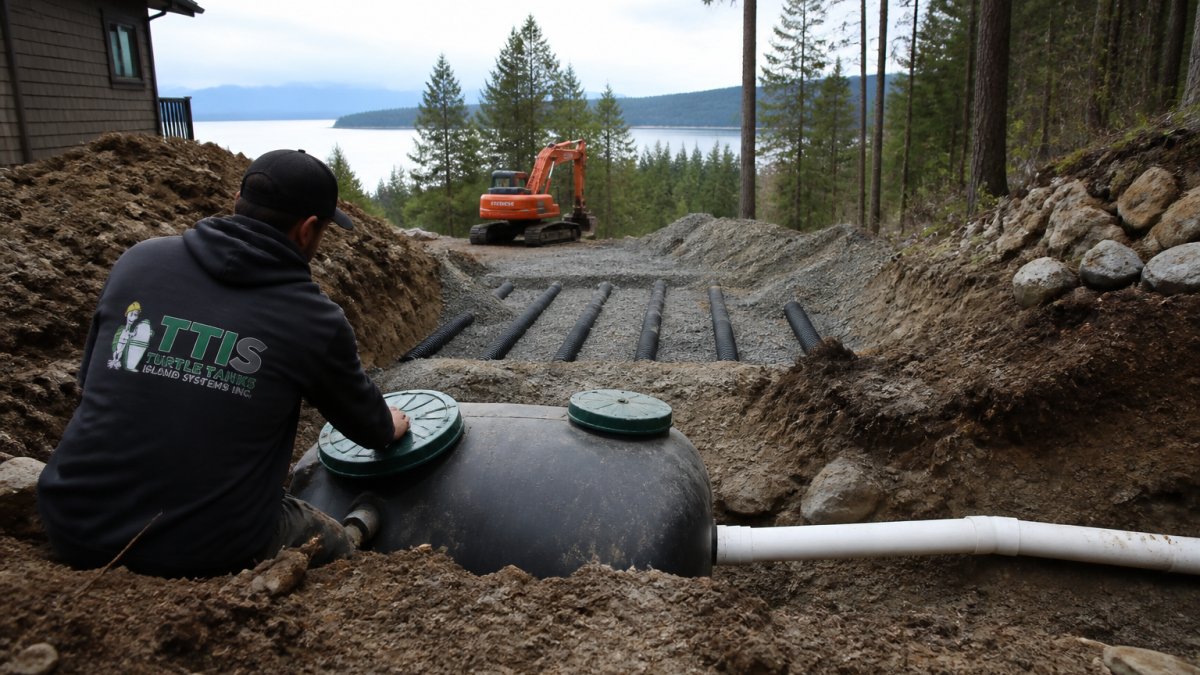
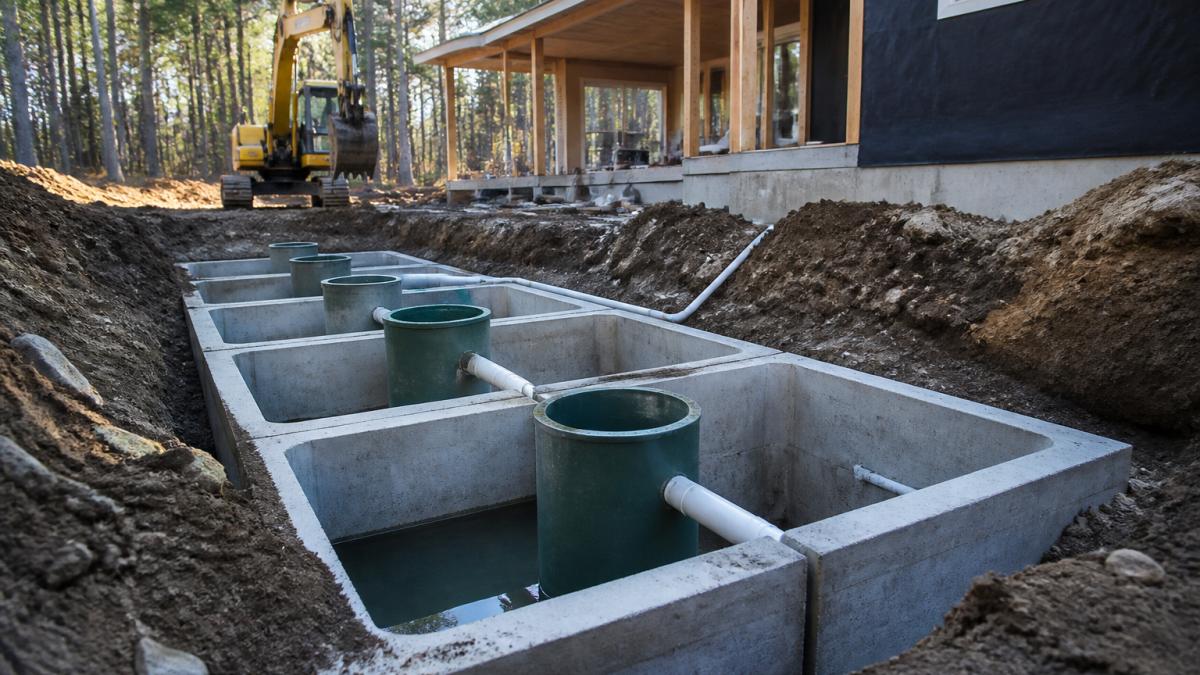
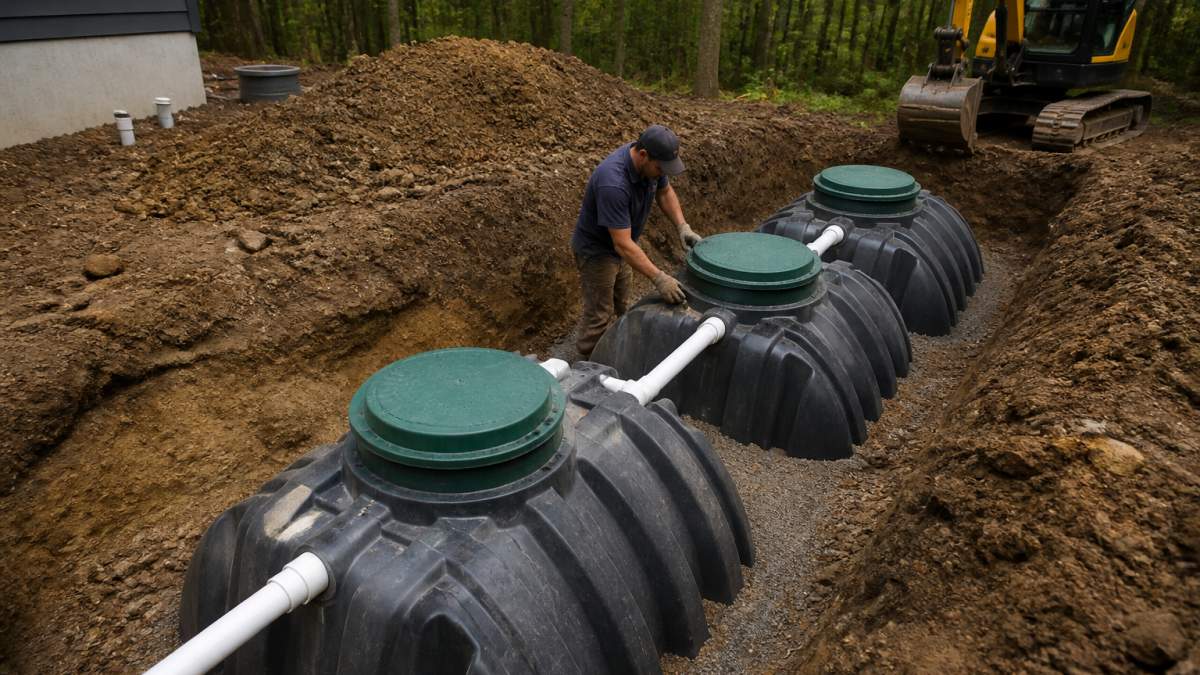
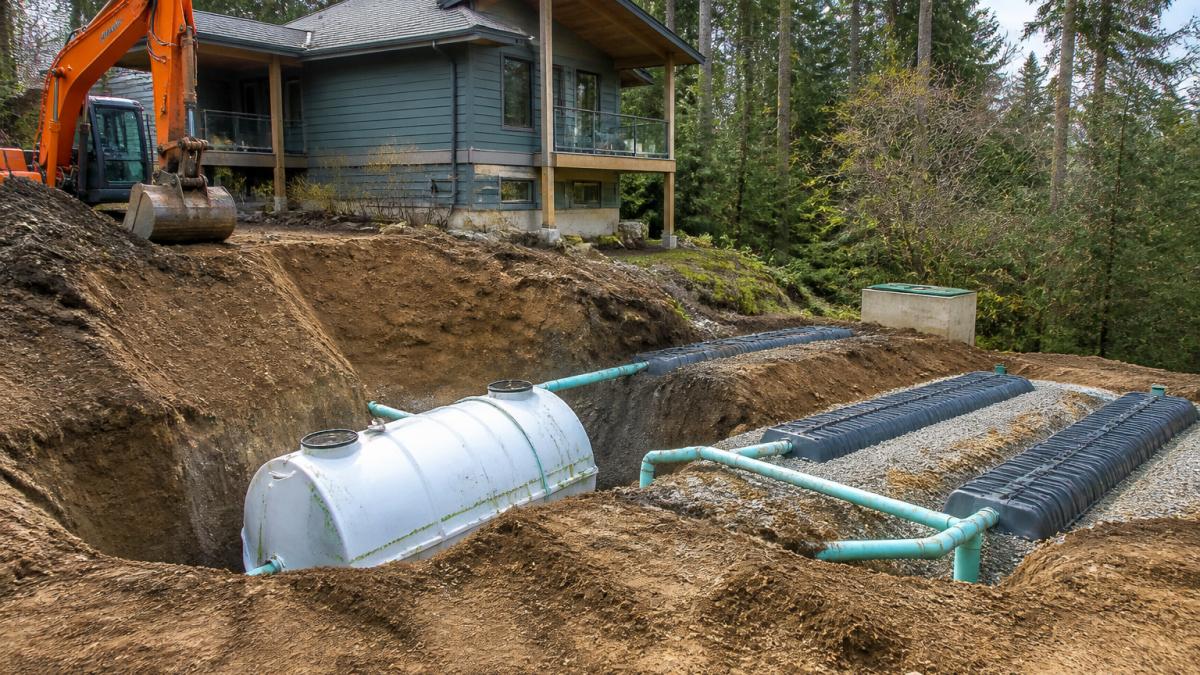
Septic system installation coordinates multiple professionals, the property owner, an Authorized Person or Registered Onsite Wastewater Practitioner (ROWP), and a qualified installation contractor, to design, permit, and construct an onsite wastewater treatment system that meets your site conditions and BC regulatory requirements. The process includes site assessment, system design coordination, permitting and filing, excavation and tank placement, distribution system setup, and final inspection and documentation. Every property is different, so the specific steps depend on soil conditions, groundwater, property layout, and the health authority serving your area.
Turtle Tanks Island Systems helps property owners across Vancouver Island coordinate this entire process, working with qualified design professionals, managing permitting paperwork, overseeing construction, and providing completion documentation.
How to Prepare for a Septic Site Assessment on Vancouver Island
A site assessment is the foundation of any septic system installation. An Authorized Person or ROWP evaluates soil conditions, groundwater levels, property boundaries, and site access to determine what system design will work for your property.
Before the assessment, gather basic information: lot size, building footprint, proposed location, known soil or drainage issues, property lines, and nearby water sources. During the assessment, the Authorized Person or ROWP digs test pits to evaluate soil composition, permeability, and groundwater depth, and assesses site slope. Afterward, they prepare a soil evaluation report and design plan documenting soil conditions, system sizing, tank and dispersal-field location, and site-specific requirements. Your Authorized Person uses the site information to prepare and file the required documents with the health authority.
Septic Installation Contractor Questions to Ask
Choosing a contractor who understands Vancouver Island conditions and BC regulations is critical. Before hiring, ask these questions:
Experience and credentials: How long have you been installing septic systems on Vancouver Island? Are you familiar with local health authority requirements? Do you have recent references?
Coordination with design professionals: Will you work directly with the Authorized Person or ROWP? Who ensures the system is installed according to the approved design?
Permitting and filing: Do you handle health authority coordination, or do we submit the filing? Will you provide documentation of compliance?
Excavation and site management: How will you manage site access and restoration?
Timeline and communication: What's your typical project timeline? How will you keep us informed?
Warranty and support: What follow-up support or maintenance planning do you provide?
A contractor who answers clearly and asks questions about your site shows they take the work seriously. Avoid contractors who give vague answers or promise a fixed price without a site assessment first.
Septic Installation Timeline and Project Stages
Every property and project is different, so there is no single timeline that fits every septic installation.
The work usually involves four steps: assessing the site and planning the system; filing the required information; scheduling and completing the installation; and preparing the completion documents and maintenance plan.
Soil conditions, design changes, weather, site access, and professional or contractor availability can all affect timing. Once your property has been assessed, your Authorized Person and contractor can give you a more realistic schedule for your project.
Completion and documents
When the installation is complete, your project team prepares the final documents and maintenance information. If the filing rules apply to your project, the Authorized Person files a Letter of Certification with the health authority within 30 days and gives you copies of the system plans and maintenance plan. Keep these documents with your property records.
Common delays and how to minimize them:
- Soil conditions requiring design changes: Unexpected clay, rock, or shallow groundwater may require design revision. Stay in close contact with the Authorized Person during assessment.
- Health authority requests for additional information: Providing complete, accurate information upfront reduces back-and-forth.
- Weather and site access: Heavy rain or winter weather can delay work. Discuss seasonal timing with your contractor.
- Contractor availability: Peak seasons mean longer wait times. Book early.
- Health authority workload: Response times vary by region.
Stay in regular communication with your contractor and the Authorized Person. Early flagging of potential delays helps keep the project on track.
Onsite Sewage System Filing in British Columbia
In British Columbia, an Authorized Person usually files the septic system plans and site information with the local health authority before construction begins. This records the planned system; it is not the same as waiting for a building permit approval.
When the filing rules apply, the Authorized Person completes the work and files a Letter of Certification with the health authority within 30 days. You should also receive the final system plans and a maintenance plan for your records.
Not every repair or change to an existing system requires a new filing. Ask your Authorized Person what applies to your project. www.bclaws.gov.bc.ca.
During installation, the contractor must follow the approved design. After construction is complete, an authorized inspector conducts a construction review. If the system is installed correctly, you receive a Letter of Certification or similar document confirming the system is complete and operational.
This filing and certification process protects your property investment and ensures the system functions properly and protects groundwater and public health. The specific process and terminology vary slightly by health authority, so confirm requirements with your local authority before starting.
Site-Specific Factors That Affect Your Installation
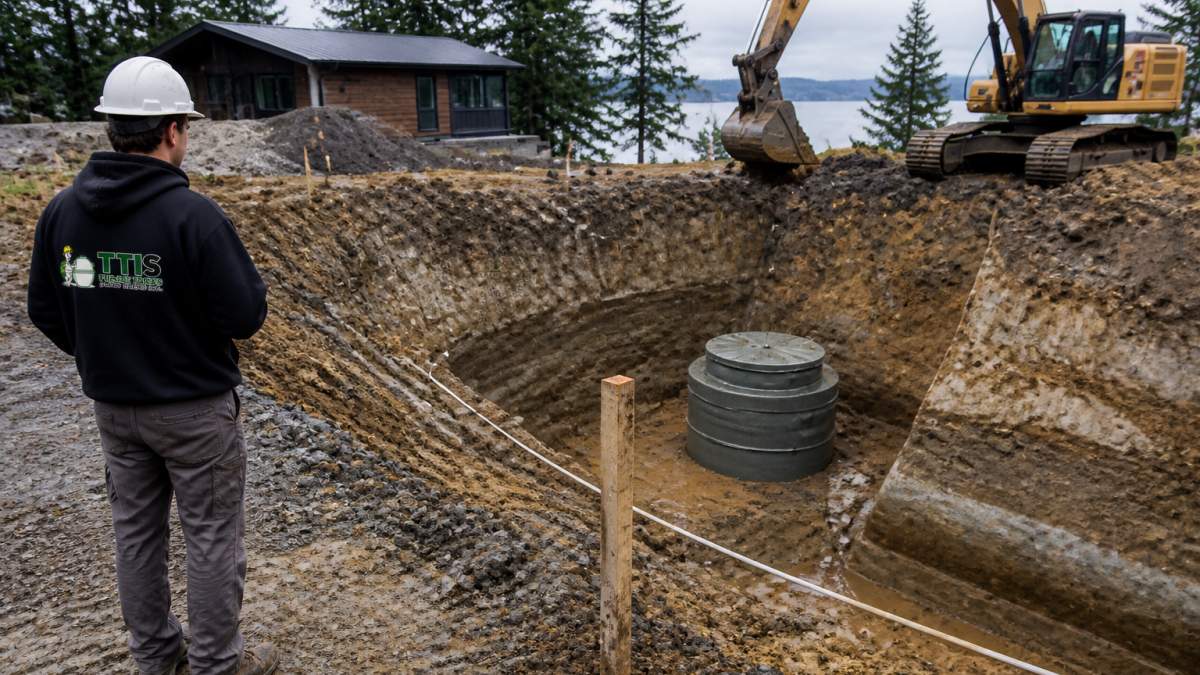
Every property on Vancouver Island presents unique conditions that shape the septic system design, installation approach, and overall feasibility. Soil type, groundwater depth, property slope, and proximity to water sources all influence what system will work, how it must be configured, and what the installation will involve.
Soil conditions and permeability
Soil type is the primary driver of system design. Sandy or gravelly soils drain quickly and typically support conventional gravity-fed dispersal fields. Clay or silt-heavy soils drain slowly and may require alternative designs, elevated dispersal fields, sand filters, or treatment systems with enhanced filtration, to ensure adequate treatment. Bedrock or shallow rock layers can limit excavation depth and may require specialized equipment.
Groundwater and water table
Properties with shallow groundwater or seasonal high water tables present a significant design constraint. If the water table is too close to the dispersal field, the system cannot function properly and may contaminate groundwater. The design may specify an elevated dispersal field, a treatment system with additional filtration, or a pumped system.
Slope and terrain
Steep slopes can complicate tank placement and dispersal-field layout, requiring stepped or terraced configurations. Flat properties may require a pumped system to move effluent to the dispersal field. Steep terrain also affects excavation difficulty and equipment access, potentially requiring specialized machinery or hand-digging. The site assessment evaluates topography and determines what's practical for your property.
Proximity to wells, streams, and water bodies
BC regulations require minimum setbacks from water sources to protect groundwater and surface water. Properties close to wells, streams, lakes, or the ocean may face setback constraints that limit tank and dispersal-field placement. If setbacks cannot be met with a conventional system, an alternative design with enhanced treatment may be required.
Access and site constraints
Narrow driveways, mature trees, existing structures, rocky terrain, or limited lot size can restrict equipment access and system placement. Poor site access may require hand-digging or smaller equipment, increasing labour and time. Early discussion with your contractor about site access and constraints helps identify whether specialized equipment or methods will be needed.
Seasonal and climate considerations
Vancouver Island's wet winters and variable rainfall affect installation timing and system performance. Dispersal fields installed in saturated soil may not compact properly, and heavy rain can delay work. Spring and early summer are typically preferred for excavation and installation. Properties in areas with high seasonal water tables or heavy rainfall may require designs that account for wet conditions year-round.
How these factors influence your project
The Authorized Person evaluates all these conditions during the site assessment and prepares a design tailored to your property. A straightforward site with good soil, adequate setbacks, and easy access may support a conventional gravity-fed system. A challenging site may require an alternative system, elevated dispersal field, treatment enhancement, or pumped configuration.
Your property's unique conditions determine what's appropriate and feasible. Contact Turtle Tanks Island Systems to discuss your site and arrange an assessment. An Authorized Person will evaluate your property's specific conditions and outline the design options that will work for you.
Getting Started With Your Septic System Installation
If you're planning a septic system installation on Vancouver Island, the first step is to understand your property's conditions and constraints. Contact Turtle Tanks Island Systems to discuss your project and arrange a site investigation.
During an initial conversation, share details about your property, your plans (new build, renovation, replacement), and any concerns about soil, drainage, or access. A site investigation provides clarity about your property's septic potential. An Authorized Person or ROWP evaluates the site, identifies any challenges, and outlines design options. This assessment informs your budget, timeline, and next steps.
From there, Turtle Tanks Island Systems coordinates with design professionals, manages permitting and filing with the health authority, oversees installation, and ensures you receive complete documentation when the project is finished. Every property is different, and septic system requirements depend on site conditions, soil evaluation, system design, and applicable BC requirements. Get professional guidance tailored to your specific situation.
Septic system installation on Vancouver Island requires careful coordination between multiple professionals and compliance with British Columbia regulations. Turtle Tanks Island Systems has helped property owners across the island move their septic projects forward, from site assessment through design coordination, permitting support, construction oversight, and final documentation. If you're planning an installation, replacement, or upgrade, reach out to discuss your project and request an assessment. We'll help you navigate the process with clear communication and site-specific solutions.
Frequently Asked Questions
How do I know if my property is suitable for a septic system installation?
Suitability depends on soil conditions, groundwater depth, property slope, proximity to water sources, and available space for the septic tank and drainfield. A site assessment by a qualified professional is the only reliable way to determine this. Factors vary significantly across Vancouver Island properties, so what works for one site may not work for another. Contact a septic installation coordinator to arrange a site investigation.
What documents do I need to gather before discussing a septic installation?
Have your property survey or lot plan ready, any existing septic system records or maintenance history, details about water usage (number of bedrooms, occupants), and information about previous soil testing or site work. If your property has an aging system, records of past repairs or inspections are helpful. These documents help your contractor understand your site and project needs before the formal assessment begins.
How long does a septic system installation take from start to finish?
Timeline varies based on site conditions, design complexity, permitting requirements, and weather. A straightforward installation on an accessible property may take several weeks, while challenging sites or those requiring additional approvals can take longer. Your contractor should provide a realistic schedule after the site assessment and design phase. Factors like soil preparation, regulatory filing, and construction review all affect the overall project duration.
What happens after my septic system installation is complete?
Once construction is finished, the system undergoes a construction review to confirm it meets regulatory standards. You receive completion documentation, including a Letter of Certification and maintenance plan. This documentation is important for future property sales or renovations. Your contractor should explain ongoing maintenance requirements and provide guidance on system care to ensure long-term performance.